HealthJune 2026
Pilates for Weight Loss
Does Pilates cause weight loss? The research, the mechanism, and realistic expectations.
Read → 9 min read
Updated June 2026 · 10 min read
Joseph Pilates said: “In ten sessions you will feel the difference, in twenty you will see the difference, and in thirty you will have a whole new body.” Nearly a century later, this timeline holds up surprisingly well against the research — with some important qualifications. Here is what you should realistically expect, and when.
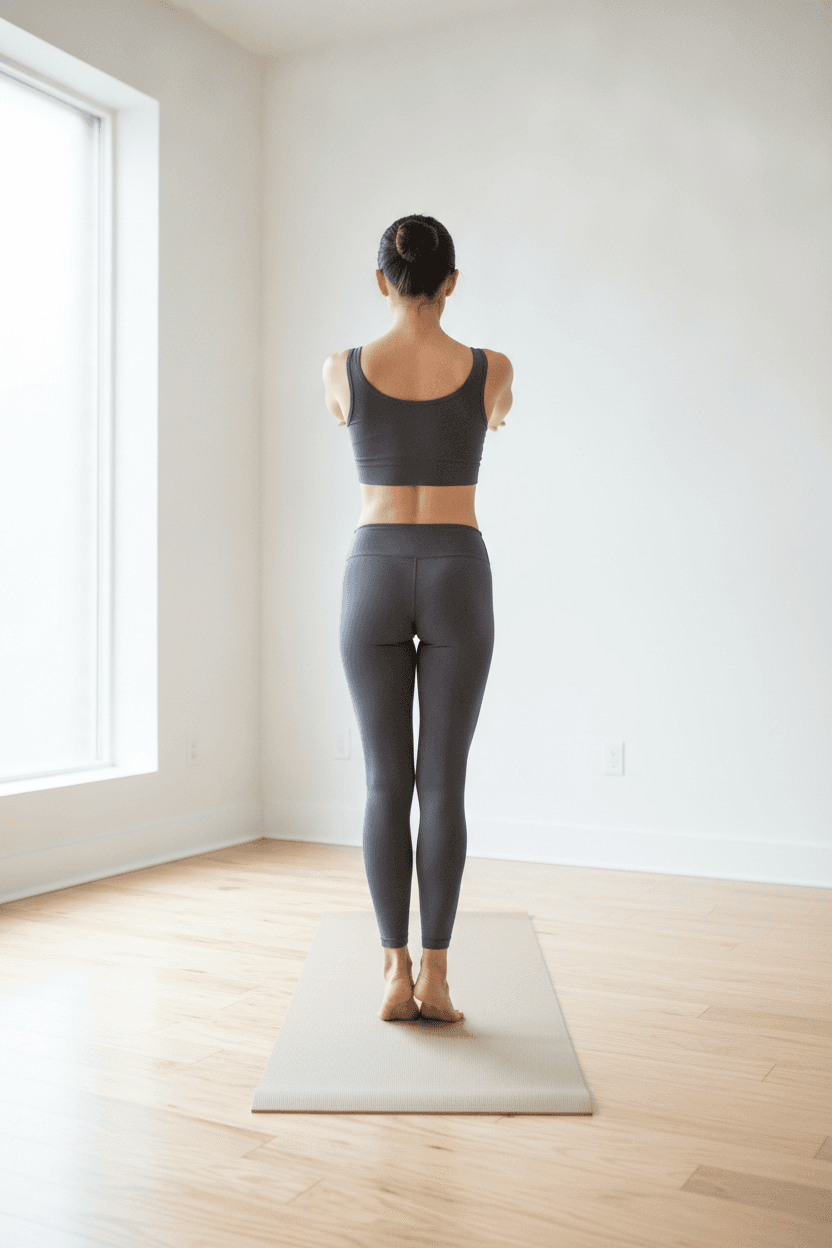
The Pilates results timeline is not fixed — it varies significantly based on a handful of key factors. Understanding these helps you set realistic expectations and optimise your approach.
Frequency
Three sessions per week is the threshold at which most research shows meaningful adaptation. Two sessions per week produces results but at roughly half the rate. One session per week is maintenance, not development. Consistency across weeks matters more than any single week's frequency.
Your starting point
A sedentary person beginning Pilates will notice changes faster and more dramatically than someone who is already active. The neuromuscular novelty of Pilates — recruiting muscles that habitual movement patterns don't access — is greatest in those with the most room for improvement.
Format: mat vs reformer
Reformer Pilates provides progressive spring resistance that accelerates strength and tonal changes. Mat Pilates builds the neuromuscular foundation. Both work; reformer tends to produce faster visible physical changes, particularly after the first 4–6 weeks.
Instruction quality
Group classes at a large studio with varying instructor quality produce slower results than consistent sessions with a skilled instructor who provides corrective feedback. If your form is poor, you will adapt poorly — the muscles will compensate in ways that mirror your existing imbalances rather than correct them.
Nutrition
Pilates builds lean muscle. Without adequate protein intake (typically 1.6–2.0g per kg of body weight per day for active adults), the muscle-building stimulus from Pilates does not fully realise as visible tonal change. This is frequently the reason people practise consistently for months without visible results.
Sessions 1–10 (Weeks 1–3)
You feel the difference
This aligns with Joseph Pilates' original claim: 'In ten sessions you will feel the difference.' The changes are primarily neuromuscular — improved motor control and muscle activation rather than structural change.
Sessions 10–20 (Weeks 3–7)
Others start to notice
The second phase of Pilates' timeline: 'In twenty sessions you will see the difference.' Structural adaptations are beginning — connective tissue is remodelling, and postural muscles are strengthening.
Sessions 20–36 (Weeks 7–12)
Measurable physical changes
By 30 sessions at consistent frequency, the body has undergone genuine structural adaptation. This is what Pilates described as 'a whole new body' — not rhetoric, but a reflection of how long connective tissue and postural muscle remodelling actually takes.
3–6 Months and Beyond
Lasting transformation
Long-term Pilates practice is where the method's potential fully realises. Practitioners with 6+ months of consistent practice typically describe it as a permanent shift in how they inhabit their bodies, not just an exercise habit.
Can you see Pilates results in 30 days?
Yes — if you practise consistently (3+ times per week for 30 days), you will notice meaningful results within a month. These are primarily neuromuscular: improved core activation, better posture, reduced back tension, and greater body awareness. Significant visible body composition changes take longer — typically 8–12 weeks of consistent practice.
How many times a week do you need to do Pilates to see results?
Three times per week is the most consistently recommended frequency in both clinical research and instructor guidance. Two sessions per week produces measurable results but more slowly. One session per week maintains what you have but is unlikely to drive significant change. Daily Pilates is possible and beneficial, but the body needs rest to consolidate neuromuscular learning — alternating with lighter activity days is more effective than daily intense sessions.
Does reformer Pilates give faster results than mat?
Reformer Pilates tends to produce faster visible results, particularly in terms of muscular strength and tone, because the spring resistance system provides progressive loading that is difficult to replicate with bodyweight alone. However, the difference is meaningful only at higher levels of practice — for beginners, mat and reformer produce comparable initial results. The best choice is the format you will practise consistently.
Why am I not seeing results from Pilates?
The most common reasons: insufficient frequency (once a week is unlikely to drive change), poor nutritional support for the muscle building Pilates promotes, practising at too low an intensity level (staying comfortable rather than progressively challenging), and expecting visible body composition changes before the neuromuscular adaptation phase is complete (weeks 1–6). If you are practising 3 times per week, eating well, and have been consistent for 8+ weeks without any noticeable change, consider working with a one-on-one instructor to assess your technique.
Equipment
The home mat that makes between-session practice possible — and between-session practice is what accelerates the timeline to visible Pilates results.
Shop on AmazonProgressive resistance loading at home compounds the studio work. The combination of twice-weekly studio sessions and two home band sessions per week is the fastest route to measurable results.
Shop on AmazonDaily foam rolling reduces recovery time between sessions and maintains the thoracic mobility that Pilates develops — keeping the results accumulating rather than resetting between classes.
Shop on AmazonFor the home sessions that bridge studio classes. The magic circle enables real Pilates work — not just stretching — in the time between studio sessions that determines the pace of progress.
Shop on AmazonTracking sessions and weekly observations is the most accurate way to notice Pilates results as they happen — before they are visible in the mirror. The data motivates continued practice.
Shop on AmazonDoes Pilates cause weight loss? The research, the mechanism, and realistic expectations.
Read → 9 min readThe research-backed frequency recommendations for beginners, regulars, and advanced practitioners.
Read → 7 min readUse our curated city guides to find the best Pilates studios worldwide.
Explore City Guides →