Equipment GuideMay 2026
Balanced Body for Pilates (2026)
The complete guide to Balanced Body equipment — reformers, the Pilates Arc, accessories, and who their equipment is for.
Read → 10 min read
Updated May 2026 · 10 min read
*Some links on this page go to Amazon. We earn a small commission on qualifying purchases.
The Wunda Chair is one of Joseph Pilates' original apparatus — a deceptively compact piece of equipment that demands more core strength, balance, and body awareness than almost anything else in the classical system. It is among the most underused and least understood pieces of full Pilates apparatus. A correction to an earlier version of this guide: we previously said the classic two-pedal Wunda Chair design isn’t sold on Amazon at all — that was wrong. It is, from budget-tier brands; Balanced Body’s own single-pedal EXO Pilates Chair remains the professional-grade Amazon listing, and Merrithew and Gratz remain dealer-direct only.
The Wunda Chair — the name translates loosely as "wonder chair" from German — was designed by Joseph Pilates as one of five or six core apparatus in the classical system, alongside the Reformer, Cadillac, mat, and barrels. It is not an accessory or modern addition to Pilates; it has been central to the complete Pilates method since the early 20th century, built originally for Pilates' 8th Avenue studio in New York.
Structurally, the Chair is a wooden box with one or two spring-loaded pedal(s) that depress and return. Exercises are performed sitting, standing, lying on, and kneeling on the chair — sometimes at the same time as operating the pedal with hands or feet. The standing exercises on the Chair are particularly demanding: pushing down on a spring-loaded pedal with one foot while balancing on the other requires exceptional hip flexor control and full-body coordination. Many of the Chair exercises cannot be replicated on the Reformer or mat.
This is not a beginner apparatus. The Wunda Chair is typically introduced after a practitioner has a solid Reformer and mat foundation — usually after at least a year of consistent practice. Working with an instructor before attempting solo Chair work is not optional; it is genuinely necessary. That said, for intermediate and advanced practitioners, adding a Chair to a home studio or working with it regularly at a studio is transformative.
Single pedal vs split pedal
The most significant design decision. Classical chairs (Gratz) use a single pedal — the original design. Contemporary chairs (Merrithew) offer a split pedal with two independent halves, enabling asymmetrical and rehabilitation exercises. Classical repertoire was designed for single pedal; split pedal enables a different set of exercises. Choose based on your teacher's lineage and your practice goals.
Spring system
Balanced Body and Merrithew use adjustable spring tension systems with multiple attachment points. Gratz uses stepped spring heights in the classical tradition. Adjustable systems offer more exercise range modification; classical springs have a specific tension profile that classical teachers describe as having more immediacy and responsiveness.
Frame stability
Standing Chair exercises — particularly single-leg work — require the frame to be absolutely immobile during dynamic weight transfers. Test (or check reviews for) frame stability under load before purchasing. On smooth floors, a non-slip base mat is essential regardless of chair quality.
Size and storage
All Wunda Chairs have a similar compact footprint — approximately 60cm × 50cm base — which is the Chair's great advantage over a Reformer. Most do not fold flat. Factor this into storage planning. The Chair is narrow enough to fit in a corner of a home studio, but it cannot be stored under a bed.
6 Pilates Chair Options · Expert-Reviewed
VEVOR Split-Pedal Pilates Combo Chair
A real, budget-tier split-pedal chair genuinely sold on Amazon
Merrithew Split-Pedal Stability Chair
Not sold on Amazon — genuine clinical/rehab chair, dealer-direct
ProsourceFit Interlocking Foam Tiles (48 sq ft)
A real, verified way to stabilize the floor under the Chair
The single-pedal Pilates chair Balanced Body genuinely sells on Amazon, at $1,255. This is the professional-grade tier: a studio-quality build from a certification-recognized brand. We could not independently verify the spring adjustment range or exact pedal height for the current listing, so confirm those specifics on the product page before ordering. Balanced Body's other accessories are broadly compatible with their apparatus line, but confirm any specific accessory fit against the EXO chair directly rather than assuming universal compatibility.
Shop on AmazonAn update to an earlier version of this article: the classic two-pedal Wunda Chair design is genuinely sold on Amazon — we were wrong to say otherwise. This VEVOR chair is a real, live, in-stock listing at $249.90 with a split-pedal design, rubberwood frame rated to 350lb, adjustable spring resistance, and padded handles. It is a home/budget-tier build rather than a certification-recognized studio brand, so expect a more basic feel than the Balanced Body or Merrithew chairs, but it is a genuine way to try split-pedal Chair work without the professional-tier price.
Shop on AmazonWe could not find a live Amazon listing for this chair, and we could not verify a specific public price, so we're not quoting one. Merrithew's split-pedal design lets practitioners work each leg or arm independently, which is genuinely useful for rehabilitation and identifying strength asymmetries — but buying it means going through Merrithew directly or an authorised dealer, not Amazon.
Shop DirectWe could not find a live Amazon listing for the Gratz Wunda Chair, and we could not verify a specific public price, so we're not quoting one — Gratz pricing is generally supplied on request. It maintains the original single-pedal design Joseph Pilates specified. For classical practitioners whose teacher works on Gratz equipment, it is the reference tool for the traditional Chair exercises. Purchased directly from Gratz (gratzpilates.com); a generational purchase for serious classical studios.
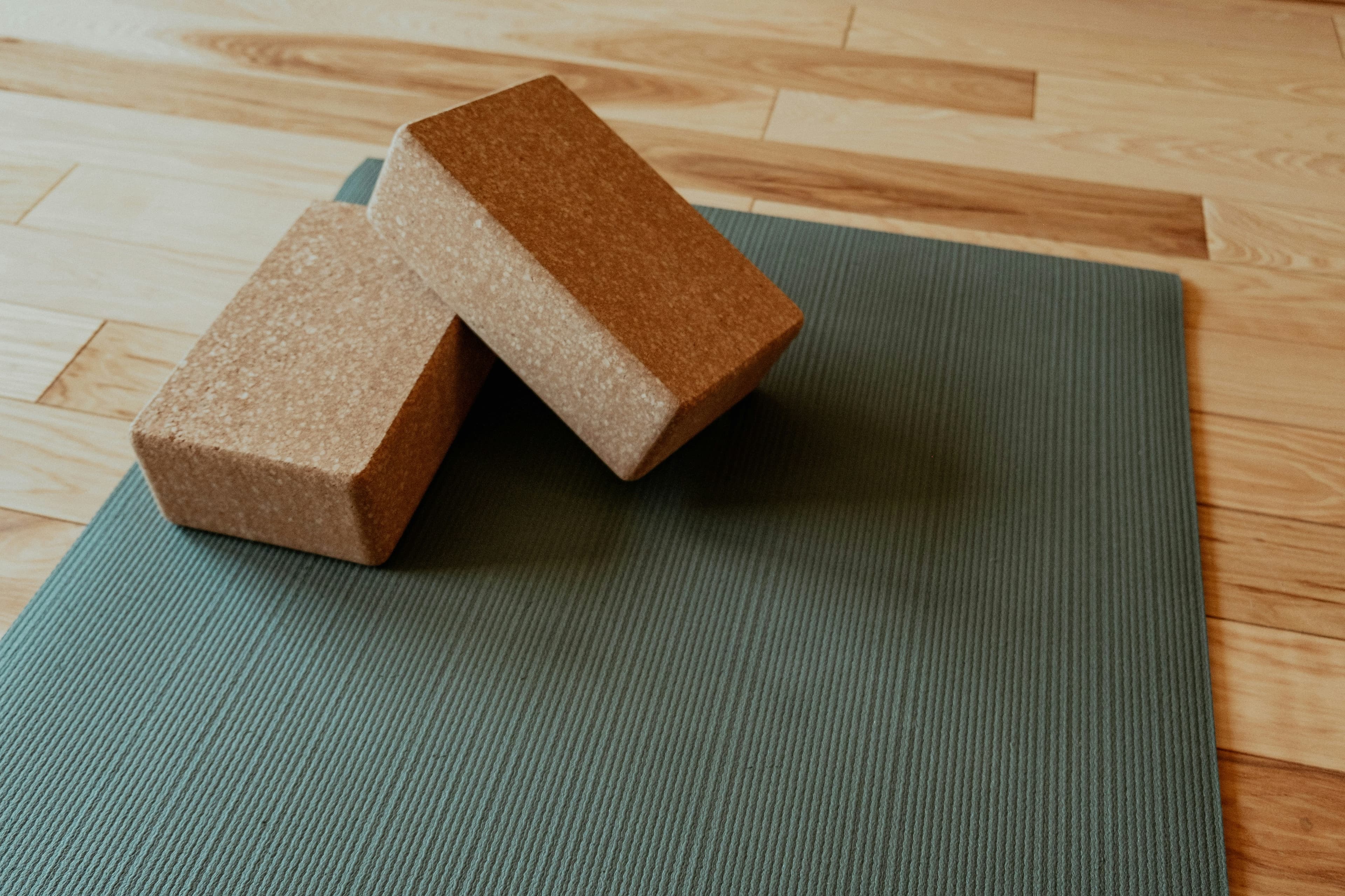
Shop DirectWe could not find a genuine, chair-specific kneeling pad or knee cushion as a live Amazon listing, so instead of inventing one, here is a real, verified accessory that does a comparable job: a standard 6mm yoga mat folded or cut to size adds cushioning for kneeling exercises like the Pumping series. It is not purpose-built for the Chair, so check the thickness and grip suit your needs before relying on it for long sessions.
Shop on AmazonWe could not find a purpose-made "non-slip mat for chair base" as a live Amazon listing, so instead of inventing one, here is a real, verified alternative: interlocking foam floor tiles laid beneath the chair reduce shifting on smooth or hardwood floors during standing, single-leg work. Confirm the tile thickness doesn't destabilize the chair's own footing before relying on it for balance-intensive exercises.
Shop on AmazonThe Chair exercises are among the most demanding in the classical system. Here are five signature exercises that define what Chair work develops:
Do I need a Pilates Chair if I already have a reformer?
Not immediately. The Chair adds significant exercise variety for intermediate and advanced practitioners. If your reformer practice feels stagnant or you are training with a teacher whose full-system repertoire includes Chair work, it is the logical next apparatus addition. Beginners: focus on the reformer first.
Can I use a Pilates Chair without an instructor?
Not recommended initially. The Chair exercises require technique cuing that books and videos inadequately convey — particularly the standing exercises, where poor alignment under spring load is a genuine injury risk. Take at least 3–5 supervised Chair sessions before attempting solo practice.
Is the Balanced Body or Merrithew chair better?
It depends on pedal preference and what's actually available to you. The Balanced Body EXO Pilates Chair is the real single-pedal chair sold on Amazon, at $1,255. Merrithew's split-pedal chair is not sold on Amazon — it's dealer-direct only, and worth it specifically if you want independent-leg rehab work or already train in the STOTT system.
Is the classic two-pedal Wunda Chair sold on Amazon?
Yes, from budget-tier brands — the VEVOR Split-Pedal Pilates Combo Chair ($249.90) is a real, live Amazon listing with the classic two-pedal design. Balanced Body's own chair sold on Amazon, the EXO Pilates Chair ($1,255), is single-pedal. Gratz's classical Wunda Chair and Merrithew's split-pedal chair remain dealer-direct only.
The complete guide to Balanced Body equipment — reformers, the Pilates Arc, accessories, and who their equipment is for.
Read → 10 min readSTOTT Pilates equipment, certification, and an honest review of their reformers and accessories.
Read → 10 min readFind studios with full apparatus in our curated city guides.
Explore City Guides →